
Begin your transformative South India temple pilgrimage from Kanyakumari, where three sacred seas converge and divine energy flows abundantly. Our comprehensive tour packages take you through Tamil Nadu, Kerala, Karnataka, and Andhra Pradesh, exploring centuries-old temples that represent the pinnacle of Dravidian architecture, spiritual heritage, and devotional traditions.
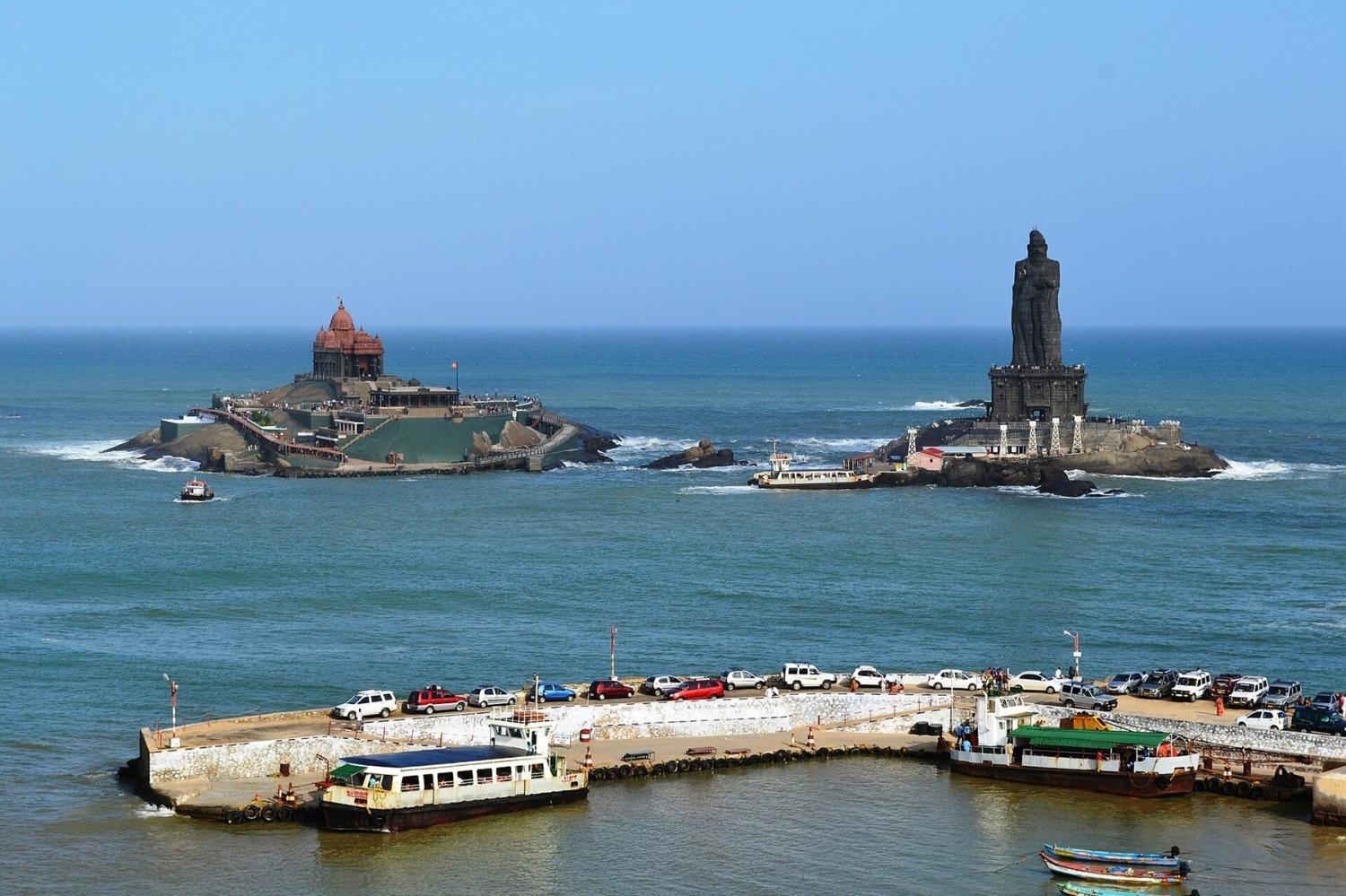
Starting your South Indian temple tour from Kanyakumari carries special spiritual significance. As India's southern tip where the Arabian Sea, Bay of Bengal, and Indian Ocean meet, Kanyakumari is itself a powerful pilgrimage destination. The Bhagavathy Amman Temple dedicated to Devi Kanyakumari, the Vivekananda Rock Memorial, and the Thiruvalluvar Statue create an atmosphere of profound spiritual energy.
Beginning your temple circuit after taking blessings at Kanyakumari Devi Temple adds divine grace to your journey. The location's excellent connectivity to major South Indian destinations makes it an ideal base for organizing comprehensive temple tours spanning multiple states and regions.
Tamil Nadu alone houses thousands of significant temples, many among India's most ancient and architecturally magnificent. Our Tamil Nadu circuit covers the essential pilgrimage destinations that no South Indian temple tour should miss.
Madurai – Temple City: The Meenakshi Sundareswarar Temple dominates Madurai's spiritual landscape. This architectural marvel features 12 gopurams covered with thousands of painted stucco sculptures, the sacred Porthamarai Kulam tank, the stunning 1000-pillar hall, and the famous evening Allaikuthu Pooja ceremony where Sundareswarar is ceremonially carried to Meenakshi's chamber.
Rameshwaram – Island Temple: One of India's four Char Dham pilgrimage sites and one of twelve Jyotirlingas. The Ramanathaswamy Temple features the longest temple corridor in India, 22 sacred theerthams (wells) where pilgrims take ritual baths, massive sculpted pillars, and the legendary connection to Lord Rama's bridge to Lanka. The Agni Theertham beach and mystical Dhanushkodi ruins add to the spiritual atmosphere.
Trichy (Srirangam) – The Supreme Vishnu Temple: Srirangam's Ranganathaswamy Temple sprawls across 156 acres, making it one of the world's largest functioning Hindu temple complexes. The seven concentric enclosures, 21 gopurams including the magnificent 236-foot Rajagopuram, and the reclining Ranganatha deity make this the foremost of 108 Divya Desams.
Thanjavur – Chola Masterpiece: The Brihadeeswara Temple, a UNESCO World Heritage Site, represents the apex of Chola architecture. Raja Raja Chola built this magnificent temple whose 216-foot vimana (tower) was the world's tallest for centuries. The massive Nandi statue, extensive frescoes, and architectural precision demonstrate ancient India's engineering brilliance.
Kanchipuram – The Thousand Temple City: One of Hinduism's seven sacred cities, Kanchipuram houses 15 Divya Desams and numerous significant Shaivite temples. Ekambareswarar Temple with its 3,500-year-old mango tree, Kailasanathar Temple showcasing Pallava architecture, and Varadaraja Perumal Temple with its massive tank create concentrated spiritual atmosphere.
Day 1: Kanyakumari to Madurai (170 km) – Devi darshan, travel, evening Madurai arrival
Day 2: Madurai full day – Meenakshi Temple, Tirupparankundram, Azhagar Kovil, evening ceremony
Day 3: Madurai to Rameshwaram (170 km) – Jyotirlinga darshan, 22 theerthams ritual
Day 4: Rameshwaram – Morning temple, Dhanushkodi, afternoon travel to Trichy (210 km)
Day 5: Trichy-Srirangam – Full day Ranganathaswamy Temple, Rock Fort Temple
Day 6: Trichy to Thanjavur (60 km) – Brihadeeswara Temple, Royal Palace, afternoon to Kumbakonam
Day 7: Kumbakonam full day – Multiple Divya Desams, Navagraha temples circuit
Day 8: Kumbakonam to Kanyakumari (450 km) – Temple stops en route, return
For comprehensive South Indian temple experience, extend beyond Tamil Nadu to include Kerala, Karnataka, and Andhra Pradesh's magnificent temples, each state contributing unique architectural styles and spiritual traditions.
Kerala Temples: Guruvayur Krishna Temple, one of the most important Vishnu temples with strict traditional practices; Sabarimala (seasonal), the famous hill temple attracting millions; Padmanabhaswamy Temple in Thiruvananthapuram with its mysterious vaults and reclining Vishnu; and Thrissur Vadakkunnathan Temple dedicated to Shiva.
Karnataka Heritage: Udupi Krishna Matha founded by saint Madhvacharya, center of Dvaita philosophy; Kukke Subramanya nestled in Western Ghats; Dharmasthala with its unique syncretic Jain-Hindu traditions; and if time permits, Hampi's Virupaksha Temple amidst the magnificent ruins of Vijayanagara Empire.
Andhra Pradesh Crown Jewel: Tirupati-Tirumala Venkateswara Temple, the world's most visited and richest Hindu temple. The seven hills of Tirumala, the elaborate darshan procedures, the famous laddu prasadam, and the deity Lord Balaji's divine presence attract over 50,000 daily pilgrims.
Combine Rameshwaram's Jyotirlinga with nearby Shakti Peethas including Kanyakumari's Devi temple where the virgin goddess awaits Shiva. This circuit honors both Shiva and Shakti, the divine masculine and feminine principles.
Visit five Shiva temples representing the five elements: Chidambaram (Space/Akasha), Thiruvannamalai (Fire/Agni), Kanchipuram Ekambareswarar (Earth/Prithvi), Thiruvanaikaval (Water/Jal), and Kalahasti (Air/Vayu). Each temple represents unique manifestation of elemental divine energy.
The six sacred abodes of Lord Murugan—Tiruchendur, Tirupparankundram near Madurai, Pazhamudircholai, Palani, Swamimalai near Kumbakonam, and Thiruthani near Chennai. This ancient pilgrimage circuit celebrates Murugan's divine manifestations across Tamil Nadu.
Cover 60-70 of the 108 sacred Vishnu temples glorified by Alvar saints. Focus on Tamil Nadu's 84 Divya Desams with major clusters in Kanchipuram (15 temples), Kumbakonam region (13 temples), and Srirangam, plus scattered temples across the state.
South Indian temples aren't just religious structures—they're cosmological diagrams in stone, repositories of ancient wisdom, and embodiments of complex theological concepts. Understanding these elements enriches your temple experience beyond mere sightseeing.
Characteristic features include towering gopurams (gateway towers) that increase in height toward outer walls, large temple tanks for ritual bathing, pillared mandapams (halls) for various functions, and concentric prakarams (enclosures) representing progressive spiritual elevation. Each element serves specific ritual and symbolic purposes.
The intricate sculptures covering gopurams aren't decorative—they narrate Puranic stories, represent divine hierarchies, demonstrate philosophical concepts, and serve as visual texts for devotees. Every carved figure has meaning within the temple's overall theological framework.
October through March provides ideal conditions—pleasant temperatures (20-30°C), clear skies, and comfortable conditions for extensive temple visits involving considerable walking. Major temple festivals occur year-round—Panguni Uthiram (March-April), Vaikunta Ekadasi (December-January), Navaratri (September-October), and specific temple Brahmotsavams offer special spiritual atmospheres but also massive crowds.
Summer months (April-June) can be hot (35-40°C), especially in inland Tamil Nadu and Karnataka. Early morning and evening temple visits remain manageable. Monsoon (July-September) brings rain affecting schedules but also lush green landscapes, cooler temperatures, and significantly reduced crowds.
Traditional or modest attire is essential. Men should wear dhoti/veshti or at minimum full-length pants with shirts. Women should prefer sarees or salwar kameez. Some temples have strict requirements—Guruvayur mandates traditional attire, Tirupati has specific guidelines, Sabarimala requires specific dress during season.
Footwear must be removed before entering temple complexes. Maintain respectful silence near sanctums, follow queue discipline strictly, avoid photography in restricted areas (typically near main deities), and respect ongoing rituals and ceremonies without interruption.
Seven years of specialized temple tour experience from Kanyakumari has given us unmatched expertise in organizing multi-state pilgrimage journeys. Our knowledge extends beyond logistics—we understand temple histories, mythology, ritual procedures, optimal visit timings, and local conditions across South India.
Our guides provide rich spiritual and cultural context at each temple, explaining architectural features, mythological significance, and proper worship procedures. We maintain relationships with temple authorities ensuring smoother darshan arrangements and access to special pujas when desired. Our driver-guide teams know efficient routes connecting multiple temples while ensuring comfortable journey experiences.
Every pilgrim has unique requirements. Time available, physical capabilities, spiritual goals, specific deities of devotion, budget constraints, and preferred travel pace all vary. We customize itineraries extensively—whether you want intensive 7-day focused circuit or leisurely 14-day comprehensive coverage, emphasis on architecture or pure devotion, luxury accommodations or budget options, family-friendly pace or intensive schedule.
Group pilgrimages for temple committees, educational tours for students, family multi-generational tours, special arrangements for elderly or differently-abled devotees, combination with other circuits (beach destinations, wildlife sanctuaries, hill stations)—all can be accommodated with proper planning.
A well-planned 7-day tour can cover 15-25 major temples depending on geographical spread and time allocated per temple. Concentrated temple cities like Kanchipuram, Kumbakonam allow multiple visits daily, while isolated temples like Tirupati require dedicated travel days and full-day visits.
Standard packages cover transportation, accommodation, guide, and basic temple entry. Special pujas (abhishekams, archanas, Sahasranamam recitations) are additional, with costs varying by temple and ritual type. We coordinate arrangements, explain options transparently, and facilitate bookings, but devotees pay directly to temples.
Most temples welcome respectful visitors regardless of religion, provided appropriate attire and behavior. However, some temples (Guruvayur, Sabarimala, certain inner sanctums) restrict entry to Hindus only. We clearly advise on specific temple policies beforehand to avoid disappointments.
Temple tours traditionally maintain vegetarian diet. All temple towns have excellent vegetarian restaurants offering authentic South Indian cuisine. Temple prasadam supplements meals. Packages include breakfast; lunch and dinner at pilgrim's choice and expense. We guide you to quality restaurants. Premium packages can include all vegetarian meals if preferred.
Yes, with appropriate planning. We ensure vehicles drop off closest to temples, arrange wheelchair assistance where available, schedule adequate rest periods, and adapt pace to group capabilities. Many temples have accessible routes we know well. Children benefit from age-appropriate explanations and flexible scheduling accommodating their needs.
Transform your understanding of South Indian spiritual heritage with comprehensive temple tour packages from Kanyakumari. Starting from the sacred confluence where three seas meet, journey through centuries of devotional traditions, architectural magnificence, and living spiritual practices that continue to inspire millions.
Contact us for customized South India temple tour packages from Kanyakumari
Kanyakumari Office: +91 87781 58825
Madurai Office: +91 98652 95933
Rameswaram Office: +91 78670 10100
Book Your Temple TourProfessional temple tour services with expert guidance from Kanyakumari.
Learn MoreSacred pilgrimage to the island Jyotirlinga temple from land's end.
Learn More
Google Review

Google Review
Google Review