
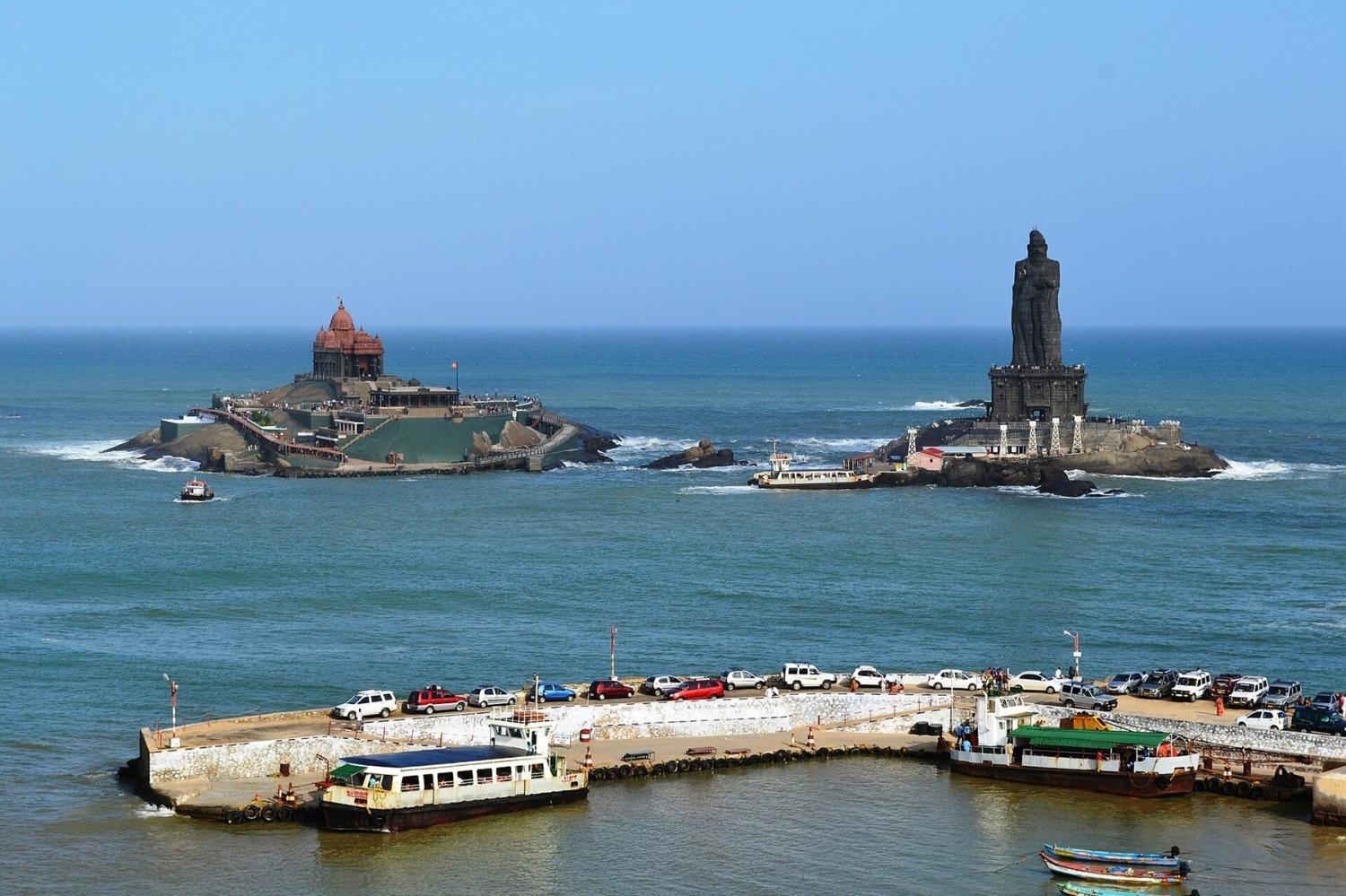
Begin your profound Divya Desam pilgrimage from Kanyakumari, India's spiritual southern tip where three oceans converge. Explore the sacred 108 Vishnu temples glorified by the Alvar saints, experiencing the spiritual essence of Vaishnavite devotion spanning over 1,500 years of continuous worship and architectural magnificence.
The 108 Divya Desams represent the most sacred Vishnu temples recognized in Sri Vaishnavite tradition. These temples were celebrated by the twelve Alvars—Tamil poet-saints who lived between the 6th and 9th centuries CE—in their devotional compositions known as Naalayira Divya Prabandham (Four Thousand Sacred Verses). This sacred literature forms the Tamil Veda of Vaishnavism and elevates these temples to supreme spiritual status.
Of the 108 Divya Desams, Tamil Nadu houses 84 temples, making it the heartland of this pilgrimage tradition. Starting from Kanyakumari provides strategic advantages—you begin at a powerful convergence point where Indian Ocean, Bay of Bengal, and Arabian Sea meet, after taking blessings from Devi Kanyakumari before embarking on your Vishnu temple circuit.
Given the concentration of 84 Divya Desams across Tamil Nadu, we organize strategic circuits that maximize temple coverage while maintaining comfortable travel schedules and meaningful spiritual engagement at each location.
This popular circuit covers 30-35 of the most significant Divya Desams, focusing on major temple clusters that represent the spiritual and architectural pinnacle of the tradition.
Kanchipuram (15 Divya Desams): Known as "Bhuloka Vaikuntam" (Heaven on Earth), Kanchipuram houses the largest Divya Desam concentration in one city. Major temples include Varadaraja Perumal Temple with its massive tank and 100-pillar mandapam, Ashtabhuja Perumal with eight-armed deity, and Deepa Prakasar Temple. Spending 2 days in Kanchipuram allows thorough exploration of its spiritual heritage.
Kumbakonam Region (13 Divya Desams): This temple town in Thanjavur district concentrates 13 Divya Desams within and around the town. Sarangapani Temple with its chariot-shaped gopuram, Ramaswamy Temple depicting Ramayana sculptures, and Chakrapani Temple are architectural marvels. The compact geography allows visiting 8-10 temples in one day.
Srirangam-Trichy (2-3 Divya Desams): Srirangam's Ranganathaswamy Temple stands as the foremost of all 108 Divya Desams. This massive temple complex on Kaveri River island spans 156 acres with seven concentric enclosures, 21 gopurams, and the reclining Ranganatha deity. Allocate a full day to experience this supreme temple comprehensively.
Madurai Region (3-4 Divya Desams): Including Azhagar Kovil where Lord Kallazhagar resides on Solaimalai hills, offering panoramic views and serene atmosphere. Though Meenakshi temple dominates Madurai, the Divya Desams here provide focused Vaishnavite experience.
Day 1: Kanyakumari to Kanchipuram (370 km) – Evening arrival, temple briefing
Day 2: Kanchipuram full day – Visit 7-8 Divya Desams
Day 3: Kanchipuram – Complete remaining Divya Desams, afternoon leisure
Day 4: Kanchipuram to Kumbakonam (260 km) – En route temples, evening Kumbakonam darshan
Day 5: Kumbakonam full day – Visit 10-12 Divya Desams in town and vicinity
Day 6: Kumbakonam to Srirangam (95 km) – Morning temples, afternoon Srirangam arrival
Day 7: Srirangam full day – Comprehensive Ranganathaswamy temple experience, nearby Divya Desams
Day 8: Srirangam to Kanyakumari (440 km) – Return journey with temple stops
For dedicated devotees seeking extensive Divya Desam darshan, our comprehensive circuit covers 65-75 Tamil Nadu temples. This includes all major clusters plus numerous village temples, smaller shrines, and geographically scattered Divya Desams that require dedicated effort to reach but offer profound spiritual rewards.
This intensive pilgrimage extends to regions like Thanjavur, Tirunelveli, Nagercoil area temples, northern Tamil Nadu near Chennai-Kanchipuram corridor, and remote locations requiring special arrangements. The journey becomes a complete immersion in Tamil Vaishnavite spiritual geography.
Srirangam represents the spiritual epicenter of Sri Vaishnavism. The temple's sheer scale—156 acres, seven prakarams, 21 gopurams including the 236-foot Rajagopuram—creates overwhelming grandeur. The deity Ranganatha reclines on Adisesha, the serpent, in sanctum sanctorum accessible through successive gateways representing progressive spiritual elevation.
The annual Vaikunta Ekadasi festival when the "Paramapadha Vasal" (Heaven's Gate) opens attracts millions. Passing through this gate is believed to grant direct path to Vaikunta (Vishnu's heaven). The temple's living traditions, elaborate daily rituals, and continuous scholarly activities make it not just an architectural monument but a vibrant spiritual center.
Kanchipuram's 15 Divya Desams showcase different architectural periods, deity postures, and Alvar connections. Varadaraja Perumal Temple's deity is unique—sometimes visible, sometimes hidden under water in the temple tank according to specific ritual cycles. The 100-pillar hall demonstrates mathematical precision and acoustic engineering.
Ashtabhuja Perumal with eight arms represents Vishnu's complete divine powers. Deepa Prakasar where the deity self-manifested as light emphasizes Vishnu's luminous nature. Each temple tells distinct mythological stories and embodies specific philosophical concepts.
Kumbakonam's Sarangapani Temple features a massive chariot-shaped gopuram unique in Dravidian architecture. The deity holds bow Saranga, giving the temple its name. Ramaswamy Temple showcases exquisite Ramayana sculptures narrating the epic visually. The compact temple geography allows intensive pilgrimage—visiting 10-12 significant temples in a single day is achievable.
Divya Desam pilgrimage involves specific devotional practices that enhance spiritual benefits. Many devotees recite relevant Alvar pasurams (hymns) at each temple—the same verses that glorify that specific deity and location. This connects pilgrims with the Alvars' ecstatic devotional experiences.
Serious pilgrims maintain detailed Divya Desam diaries recording each temple visit—date, deity name, Alvar who sang about it, brief temple history, and personal spiritual reflections. This practice creates lasting connection with the pilgrimage and serves as spiritual document for future reference and inspiration.
Different Divya Desams are associated with specific offerings and vows. Some devotees perform certain number of pradakshinams (circumambulations), others offer specific items like butter, flowers, or coconuts. Understanding these traditions enhances engagement and demonstrates respect for local customs.
Organizing a multi-week, multi-temple pilgrimage requires comprehensive planning. Our complete packages handle every aspect—transportation, accommodation, meals, temple schedules, special darshan arrangements, and knowledgeable guidance.
October through March offers optimal conditions—pleasant temperatures, clear skies, and comfortable conditions for extensive temple visits. Major Vaishnavite festivals like Vaikunta Ekadasi (December-January), Brahmotsavams at various temples, and Panguni Uthiram (March-April) provide special spiritual atmospheres but require advance planning due to crowds.
Summer (April-June) can be hot for midday temple visits, but early morning and evening darshans remain pleasant. Monsoon (July-September) brings rain affecting travel but also lush landscapes and reduced crowds. Each season has advantages depending on personal preferences.
Traditional attire shows respect—men should wear dhoti/veshti or at minimum full-length pants with shirts; women should prefer sarees or salwar kameez. Footwear removed before entering temple complexes. Maintain silence near sanctums, follow queue discipline, and refrain from photography where restricted.
With seven years specializing in Divya Desam pilgrimages, we bring unmatched expertise in organizing complex multi-temple tours. Our guides understand not just logistics but the deep spiritual and philosophical significance of each temple, the Alvar literature, and Vaishnavite traditions.
We maintain relationships with temple authorities across Tamil Nadu, ensuring smoother darshan arrangements, information about special pujas, and assistance with any challenges. Our driver-guide teams know optimal routes connecting multiple temples efficiently, and our accommodation network ensures comfortable stays near all major temple clusters.
Every devotee has unique requirements—time available, physical capabilities, spiritual goals, and preferences. We customize itineraries accordingly. Whether you want intensive 7-day essential circuit or leisurely 16-day comprehensive coverage, focus on architecture or devotion, include family members or travel solo—we adapt to your needs.
Special arrangements for elderly devotees, coordination of large group pilgrimages, combination with other circuits (Arupadai Veedu, Jyotirlinga additions), and flexible scheduling to accommodate personal requirements are all possible.
A comprehensive tour covering 70-75 of the 84 Tamil Nadu Divya Desams typically requires 14-16 days. Some extremely remote temples may need additional time or separate trips. Most devotees complete this circuit in 2-3 phases over multiple years.
While completing all 108 is considered supremely meritorious, visiting any Divya Desam with devotion brings spiritual benefits. Many focus on Tamil Nadu's 84 temples as these form a manageable circuit. The remaining temples across India can be covered during separate pilgrimages.
Yes, most Divya Desams offer special pujas—abhishekams, archanas, Sahasranamam recitations, and deity-specific rituals. We coordinate with temple authorities for arrangements. Costs vary by temple and ritual, paid directly to temples. Advance notice recommended during peak seasons.
Absolutely. Family pilgrimages teach children about spiritual heritage. Ensure age-appropriate pace, regular breaks, and engaging explanations. Many devotees undertake Divya Desam yatras as multi-generational family traditions. Our packages accommodate family needs with flexible schedules.
Divya Desam pilgrimage traditionally follows strict vegetarianism. All temple towns have excellent vegetarian restaurants. We guide you to quality food options. Most pilgrims maintain vegetarian diet throughout to preserve spiritual purity. Temple prasadam supplements regular meals.
Embark on this transformative spiritual journey through Tamil Nadu's sacred Vishnu temples from Kanyakumari's auspicious starting point. Experience the devotional fervor that inspired Alvar saints, witness architectural marvels spanning centuries, and immerse yourself in living Vaishnavite traditions that continue to thrive after 1,500 years.
Contact us for customized itineraries and comprehensive tour packages
Kanyakumari Office: +91 87781 58825
Madurai Office: +91 98652 95933
Rameswaram Office: +91 78670 10100
Plan Your Divya Desam TourVisit all six sacred Murugan temples across Tamil Nadu.
Learn More
Google Review

Google Review
Google Review