
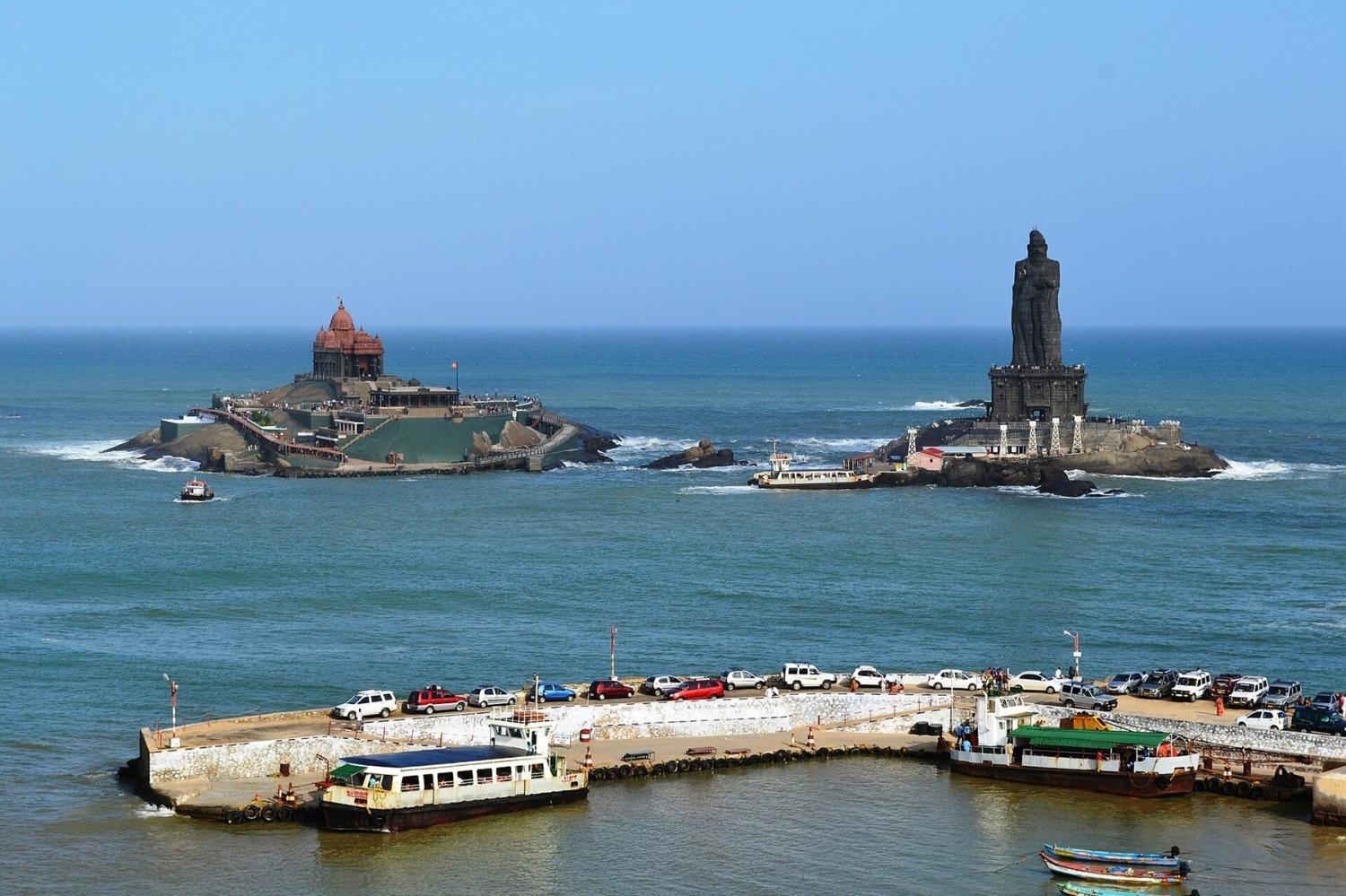
Begin your divine Murugan temple pilgrimage from Kanyakumari, where three sacred seas meet and spiritual energy flows abundantly. Explore the famous Arupadai Veedu, regional Murugan shrines, and powerful manifestations of Lord Subramanya across Tamil Nadu's spiritual landscape, experiencing centuries of Tamil devotional tradition.
Lord Murugan (Kartikeya, Subramanya, Skanda, Shanmuga) occupies a unique position in Tamil culture and spirituality. As "Tamil Kadavul" (Tamil God), Murugan's worship forms an integral part of Tamil identity spanning over 2,000 years. Ancient Sangam literature extensively describes Murugan temples, festivals, and devotional practices, establishing continuity from antiquity to present.
Tamil Nadu houses thousands of Murugan temples, from grand hilltop shrines attracting millions to small village temples with intense local devotion. Each temple represents different aspects—Murugan as warrior defeating demons, philosopher teaching cosmic truths, ascetic renouncing worldly pleasures, and householder living with consorts Valli and Deivanai.
The six Arupadai Veedu represent Murugan's primary divine abodes, each associated with specific mythological events and spiritual benefits. Starting from Kanyakumari adds special significance as you begin after darshan at Bhagavathy Amman Temple where divine feminine energy blesses your Murugan pilgrimage.
1. Tiruchendur (95 km from Kanyakumari): The second Arupadai Veedu stands majestically at sea level on the ocean shore. Here Murugan vanquished demon Soorapadman in epic battle. The nine-tiered coastal gopuram, 1000-pillar hall, and unique seaside location create powerful spiritual atmosphere. Traditional sea bath before darshan purifies devotees spiritually.
2. Tirupparankundram (Madurai, 170 km): Ancient rock-cut cave temple where Murugan married Deivanai after victorious war against demons. Dating to 6th century, this architectural marvel combines influences from multiple religious traditions. Murugan as divine bridegroom blesses marital harmony and family prosperity.
3. Pazhamudircholai (Solaimalai Hills, Madurai): Forest temple nestled in lush tropical greenery representing Murugan's connection with nature. Solaimalai Andi (Murugan of forest hills) grants material prosperity and abundance. The serene natural surroundings perfect for meditation and spiritual contemplation.
4. Palani (280 km): Most visited Murugan temple in Tamil Nadu, perched 450 feet atop hill accessible by winch, rope car, or 659 steps. Dandayudhapani (ascetic with staff) represents renunciation and spiritual wisdom. The Navapashanam idol by Siddhar Bogar and famous Panchamirtham prasadam make this temple uniquely significant.
5. Swamimalai (Kumbakonam, 470 km): The only temple where Murugan is supreme guru, having taught Pranava mantra (Om) to his father Shiva. Swaminatha Swamy form emphasizes knowledge and education. The 60 steps represent Tamil calendar's 60-year cycle. Students and knowledge seekers find special blessings here.
6. Thiruthani (Chennai direction, 670 km): Northern guardian temple on 400-foot hill accessed by 365 steps (representing year's days). The magnificent 200-foot rajagopuram dominates landscape. Murugan with consort Valli emphasizes householder life. Panoramic hilltop views add to temple's appeal.
Day 1: Kanyakumari local darshan, travel to Tiruchendur (95 km), overnight
Day 2: Tiruchendur morning darshan, travel to Madurai (155 km)
Day 3: Tirupparankundram & Pazhamudircholai, Madurai local temples
Day 4: Madurai to Palani (120 km), afternoon hill darshan
Day 5: Early Palani darshan, travel to Swamimalai (180 km)
Day 6: Swamimalai morning, long journey to Thiruthani (300 km)
Day 7: Early Thiruthani darshan, return to Kanyakumari (690 km)
For shorter pilgrimages, explore significant Murugan temples in southern Tamil Nadu easily accessible from Kanyakumari without extensive travel distances.
Suchindram Thanumalayan Temple (12 km): Unique temple featuring trinity of Shiva, Vishnu, and Brahma with significant Murugan shrine. The musical pillars and Hanuman statue attractions complement Murugan darshan.
Kuzhithurai Murugan Temple (20 km): Ancient temple with strong local devotion, less crowded than major pilgrim centers, offering peaceful darshan experience. The beautiful architecture and serene atmosphere appeal to contemplative devotees.
Tiruchendur (95 km): The closest Arupadai Veedu from Kanyakumari, easily visited as comfortable day trip or overnight pilgrimage. The coastal temple's unique location and rich mythology make it essential for Murugan devotees.
Madurai Temples (170 km): Two Arupadai Veedu temples—Tirupparankundram and Pazhamudircholai—combined with Madurai's famous Meenakshi temple create comprehensive 2-day spiritual experience.
For comprehensive Murugan temple experience, extend beyond Arupadai Veedu to include significant shrines across South India, experiencing diverse manifestations and regional devotional traditions.
Kukke Subramanya (Karnataka Western Ghats): Powerful temple specializing in serpent dosha removal (Sarpa Dosha Parihara). The deity appears with serpent hood, unique iconography. The lush Western Ghats setting adds natural beauty to spiritual journey.
Marudamalai (Coimbatore, 550 km): Hill temple accessed by ghat road through scenic landscapes. Less crowded than major centers, perfect for devotees seeking peaceful darshan. The temple's natural surroundings encourage contemplation.
Sikkal (Nagapattinam region): Famous for clearly visible six-faced Murugan (Shanmuga) representation. This rare iconographical feature holds special significance in Tamil Murugan worship traditions.
Vadalur (Cuddalore District): Associated with Saint Ramalinga Swamigal's teachings, this temple combines traditional Murugan worship with universal spiritual principles.
The most distinctive Murugan devotional practice where devotees carry elaborately decorated kavadi (burden) structures while dancing, often with body piercings as extreme devotion. This physical offering fulfills vows and expresses complete surrender. Major festivals like Thai Poosam witness thousands performing Kavadi across Tamil Nadu.
Offering hair symbolizes ego dissolution and devotional surrender. Most major Murugan temples have tonsure facilities. Devotees fulfill vows or seek blessings through this practice dating back centuries in Tamil tradition.
Worshipping Murugan's divine spear (Vel) represents devotion to his victorious power over evil. Home shrines often feature Vel, and temple festivals prominently display decorated Vels in grand processions.
Walking to hill temples climbing hundreds of steps represents spiritual ascent and physical devotion. The journey itself becomes meditation, with each step bringing closer to divine presence atop the hill.
Murugan temples welcome devotees year-round. October through March provides comfortable weather for hill temple climbs and extensive travel. Major festivals—Thai Poosam (January-February), Panguni Uthiram (March-April), and Skanda Sashti (October-November)—create extraordinary spiritual atmosphere with elaborate celebrations, though crowds require patience and advance planning.
Weekdays outside festival periods offer peaceful darshan with manageable crowds. Temple authorities appreciate advance notice for large group visits, special pujas, or specific requirements.
The six Arupadai Veedu are specifically mentioned in ancient Tamil literature (Thirumurugatrupadai by poet Nakkeerar, 2nd century CE). While thousands of Murugan temples exist, these six represent primary divine abodes with supreme spiritual significance in Tamil devotional tradition.
Technically yes, intensive 4-5 day tours are possible but involve long travel days and rushed temple visits. We recommend 6-7 days for comfortable pace allowing adequate time at each temple, rest periods, and meaningful spiritual engagement rather than mere sightseeing.
No. Palani offers winch/cable car alternatives to 659 steps. Swamimalai's 60 steps are relatively gentle. Thiruthani's 365 steps can be challenging but assistance available. For those unable to climb, darshan from hill base still brings Murugan's blessings.
Common offerings include coconuts, bananas, camphor, incense, flowers, and specific items for vows. Most temples sell these items, but bringing from home adds personal devotion. Prasadam containers useful for collecting divine offerings from each temple.
Absolutely. Arupadai Veedu circuit naturally includes regions with Divya Desams, Navagraha temples, and other significant shrines. Extended packages easily incorporate multiple pilgrimage circuits for comprehensive spiritual experience.
Transform your spiritual journey with comprehensive Murugan temple tour from Kanyakumari. Experience the Tamil god's multifaceted divine presence from coastal temples to forest shrines, hilltop abodes to ancient caves. Return blessed with victory over obstacles, enhanced knowledge, spiritual growth, and Murugan's eternal grace guiding your life.
Contact us for customized Murugan temple tour packages from Kanyakumari
Kanyakumari Office: +91 87781 58825
Madurai Office: +91 98652 95933
Rameswaram Office: +91 78670 10100
Plan Your TourComplete six abodes pilgrimage with expert arrangements from Kanyakumari.
Learn More
Google Review

Google Review
Google Review