
Embark on a spiritually enriching Divya Desam pilgrimage tour through Tamil Nadu from Nagercoil, exploring the sacred Vishnu temples glorified by the revered Alvar saints in their devotional hymns. These ancient temples represent the pinnacle of Vaishnavite spiritual heritage and architectural magnificence across South India.
Divya Desam literally means "Divine Abodes"—the 108 Vishnu temples celebrated in the Naalayira Divya Prabandham, a collection of 4,000 Tamil verses composed by the twelve Alvar saints between the 6th and 9th centuries CE. These sacred hymns form the devotional foundation of the Sri Vaishnavite tradition and elevate these temples to supreme spiritual significance.
Of the 108 Divya Desams, 106 are located in India, with 84 temples concentrated in Tamil Nadu itself. This makes Tamil Nadu the heartland of Divya Desam pilgrimage. Each temple has unique architectural features, specific manifestations of Lord Vishnu, and distinct legends connecting to Vedic mythology and Tamil devotional history.
Given that 84 Divya Desams are spread across Tamil Nadu, we organize focused circuits that cover the most significant clusters and accessible temples. These circuits can be combined or customized based on time availability and spiritual aspirations.
Starting from Nagercoil, this circuit covers approximately 20-25 Divya Desams in southern and central Tamil Nadu regions:
Tirumala-Tirupati: Though technically in Andhra Pradesh, this supreme Divya Desam of Lord Venkateswara is often included as it's relatively accessible from southern Tamil Nadu.
Kanchipuram Cluster (15 Divya Desams): Known as the "City of Thousand Temples," Kanchipuram houses 15 sacred Vishnu temples including Varadaraja Perumal, Ashtabhuja Perumal, Deepa Prakasar, and others—making it the largest Divya Desam concentration in one location.
Kumbakonam Region (13 Divya Desams): This temple town in Thanjavur district features significant Divya Desams like Sarangapani Temple, Ramaswamy Temple, and others clustered within short distances.
Srirangam (Trichy): The foremost of all Divya Desams, this massive temple complex on an island in Kaveri River is dedicated to Ranganatha (reclining Vishnu) and considered the most important Vaishnavite pilgrimage site.
For devotees seeking comprehensive darshan, our extended tour covers 60-70 of the 84 Tamil Nadu Divya Desams, organized geographically to minimize travel time while maximizing temple visits. This intensive pilgrimage requires dedication but offers complete spiritual immersion in Vaishnavite heritage.
Day 1: Nagercoil to Kanchipuram (350 km) – Visit 5-6 major Divya Desams
Day 2: Kanchipuram – Complete remaining 8-10 Divya Desams in the city
Day 3: Kanchipuram to Kumbakonam (240 km) – En route temples, afternoon Kumbakonam darshan
Day 4: Kumbakonam – Visit 10-12 Divya Desams in town and nearby villages
Day 5: Kumbakonam to Srirangam (95 km) – Extensive Srirangam temple visit
Day 6: Trichy region – Nearby Divya Desams, cultural sightseeing
Day 7: Srirangam to Nagercoil (420 km) – Return journey with temple stops
Srirangam's Ranganathaswamy Temple stands as the foremost of all 108 Divya Desams. This colossal temple complex spreads over 156 acres, making it one of the world's largest functioning Hindu temples. The deity Ranganatha (Vishnu in reclining posture) lies on Adisesha, the divine serpent, in the sanctum sanctorum.
The temple features seven concentric walls (prakarams), 21 magnificent gopurams including the 236-foot Rajagopuram, and numerous shrines. The annual festivals, especially Vaikunta Ekadasi when the "gate to heaven" (Vaikunta Vaasal) opens, attract millions of devotees. Architecturally and spiritually, Srirangam represents the zenith of Vaishnavite tradition.
Kanchipuram's 15 Divya Desams include the magnificent Varadaraja Perumal Temple with its 100-pillar hall and massive temple tank. Ashtabhuja Perumal (eight-armed Vishnu) and Deepa Prakasar temples showcase different architectural periods. Each temple has unique features—some have deity in standing posture (Nindra Thirukollam), sitting (Irundha Thirukollam), or reclining (Kidantha Thirukollam).
Kumbakonam's Sarangapani Temple ranks among the largest Divya Desams in the town, with a massive chariot-shaped gopuram. The temple's architectural grandeur and spiritual atmosphere create profound devotional experience. Ramaswamy Temple, dedicated to Lord Rama, features exquisite sculptures depicting Ramayana scenes. The concentration of temples within walkable distances makes Kumbakonam ideal for intensive pilgrimage.
The Divya Desam pilgrimage offers profound spiritual benefits according to Vaishnavite tradition. Each temple darshan removes accumulated karmic impurities, with completing all 108 Divya Desams believed to grant moksha (liberation). Even partial circuits covering 10-20 temples bring significant spiritual progress.
Devotees often recite relevant Alvar pasurams (hymns) at each temple, connecting with the same spiritual experience that inspired the ancient saints. Many pilgrims maintain a Divya Desam diary, recording each temple visit with date, deity name, and personal spiritual reflections. Some undertake specific vows—walking certain temple prakarams a fixed number of times, offering specific items, or performing certain rituals at each location.
October through March provides ideal conditions—pleasant weather for extensive temple visits and comfortable travel. Major Vaishnavite festivals like Vaikunta Ekadasi (December-January), Panguni Uthiram (March-April), and Brahmotsavams at various temples offer special spiritual atmospheres but also draw massive crowds requiring advance planning.
April to June brings heat, particularly challenging for midday temple visits, though early morning and evening darshans remain comfortable. Monsoon (July-September) can affect travel schedules but provides lush green landscapes and fewer crowds.
Most Divya Desams maintain traditional dress codes. Men should wear dhoti/veshti or at minimum full-length pants with shirts. Women should prefer sarees or salwar kameez with dupatta. Footwear must be removed before entering temple complexes. Modest, respectful attire is appreciated everywhere.
Photography rules vary by temple—generally permitted in outer areas but restricted near main sanctums. Always ask permission before photographing. Maintain silence near sanctums, follow queue discipline, and respect ongoing rituals and ceremonies.
Organizing a multi-temple pilgrimage covering temples across Tamil Nadu requires specialized knowledge—not just routes and logistics, but understanding of each temple's significance, optimal darshan times, ritual procedures, and local conditions. Our seven years of experience conducting Divya Desam tours translates to smooth, spiritually fulfilling pilgrimages.
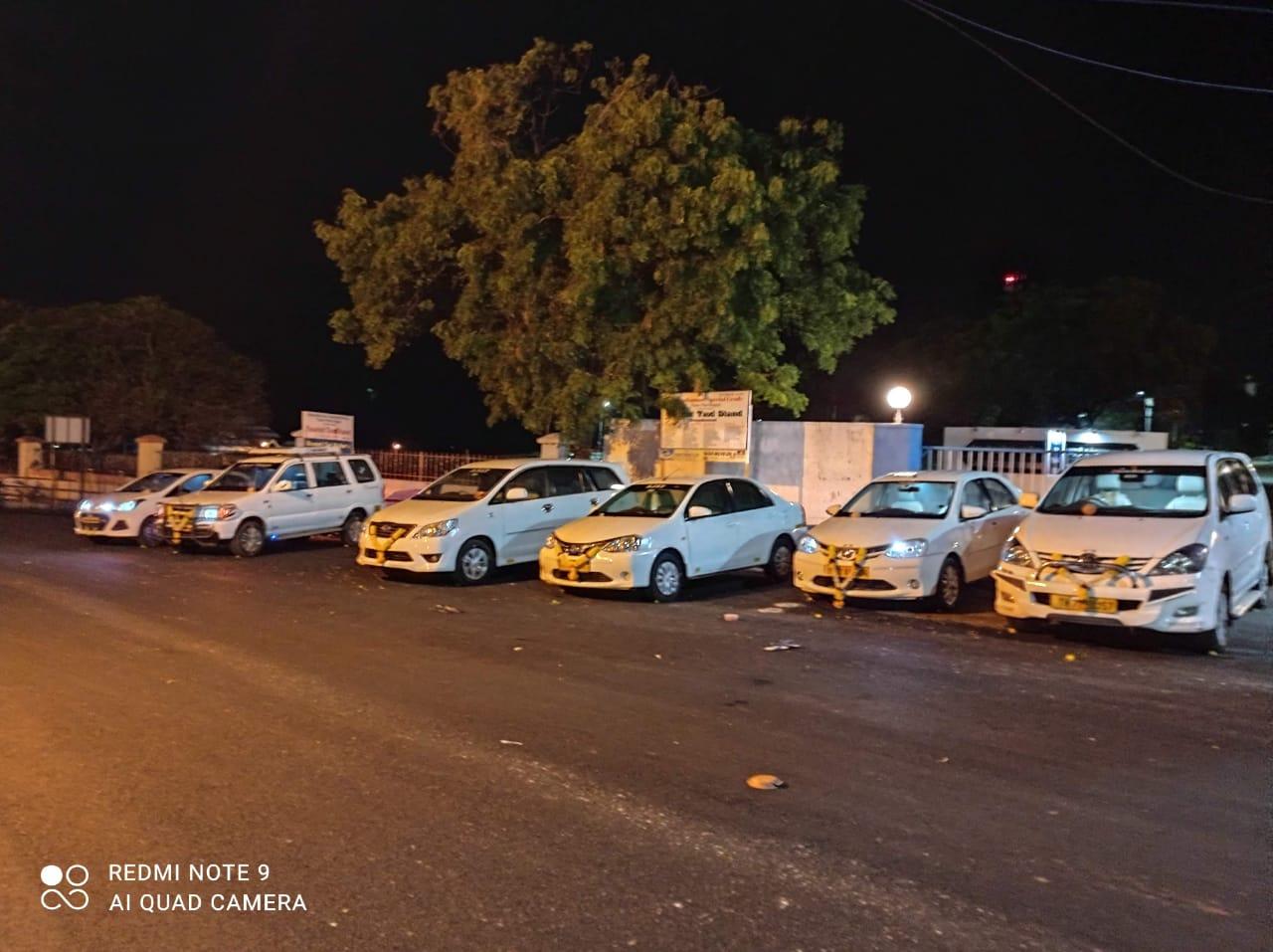
Our guides understand Alvar hymns and can explain each temple's unique features and mythological significance. We maintain relationships with temple authorities, ensuring smoother darshan arrangements and access to information about special pujas. Our drivers know efficient routes connecting multiple temples, and our accommodation network ensures comfortable stays near temple towns.
We understand that devotees have different time constraints and spiritual goals. Some seek intensive coverage of maximum temples, others prefer leisurely pace with deeper engagement at fewer locations. We customize itineraries accordingly—whether you have 5 days for a focused circuit or 14 days for comprehensive coverage.
Special arrangements for elderly devotees, coordination of group pilgrimages, inclusion of nearby non-Divya Desam temples of significance, and combination with other pilgrimage circuits (Arupadai Veedu, Navagraha, Jyotirlinga) are all possible.
A well-planned 7-day tour from Nagercoil can cover 25-30 Divya Desams, focusing on major clusters in Kanchipuram, Kumbakonam, and Srirangam. Intensive schedules can push this to 35-40 temples, though this may reduce time for meaningful engagement at each location.
While not mandatory, a knowledgeable guide significantly enhances the experience. Understanding each temple's connection to Alvar hymns, architectural features, deity significance, and proper ritual procedures deepens spiritual appreciation. Our guides are trained in both practical logistics and spiritual context.
Yes, most temples offer various special pujas—Thirumanjanam (abhishekam), Archana, Sahasranamam, and specific deity-related rituals. We coordinate with temple authorities for arrangements. Costs vary by temple and ritual type, paid directly to temples. Advance booking recommended during peak seasons.
Absolutely. Introducing children to sacred pilgrimage cultivates spiritual values. Ensure age-appropriate pace, regular breaks, and engaging explanations. Many families undertake Divya Desam pilgrimages as generational traditions. Our family-friendly packages accommodate children's needs with flexible schedules.
Most packages include breakfast at hotels. Lunch and dinner are typically at pilgrim's choice and expense. Temple towns have numerous vegetarian restaurants offering authentic South Indian cuisine. Temple prasadam often supplements meals. Premium packages can include all meals if preferred.
Transform your spiritual life with a comprehensive Divya Desam pilgrimage tour through Tamil Nadu from Nagercoil. Walk in the footsteps of revered Alvar saints, experience Lord Vishnu's divine presence across his sacred abodes, and immerse yourself in 1,500 years of living Vaishnavite devotional tradition.
Contact us for customized itineraries and detailed tour information
Kanyakumari Office: +91 87781 58825
Madurai Office: +91 98652 95933
Rameswaram Office: +91 78670 10100
Book Your Divya Desam TourVisit all six sacred abodes of Lord Murugan across Tamil Nadu.
Learn MoreComprehensive temple pilgrimage circuits across South India.
Learn MoreProfessional pilgrimage services for all major temple circuits.
Learn More
Google Review

Google Review
Google Review